Can You Leave a Cat Alone for a Weekend? (Safe Setup)
Can you leave a cat alone for a weekend? Why a daily check-in matters, plus a feeder, fountain and litter setup for short trips.
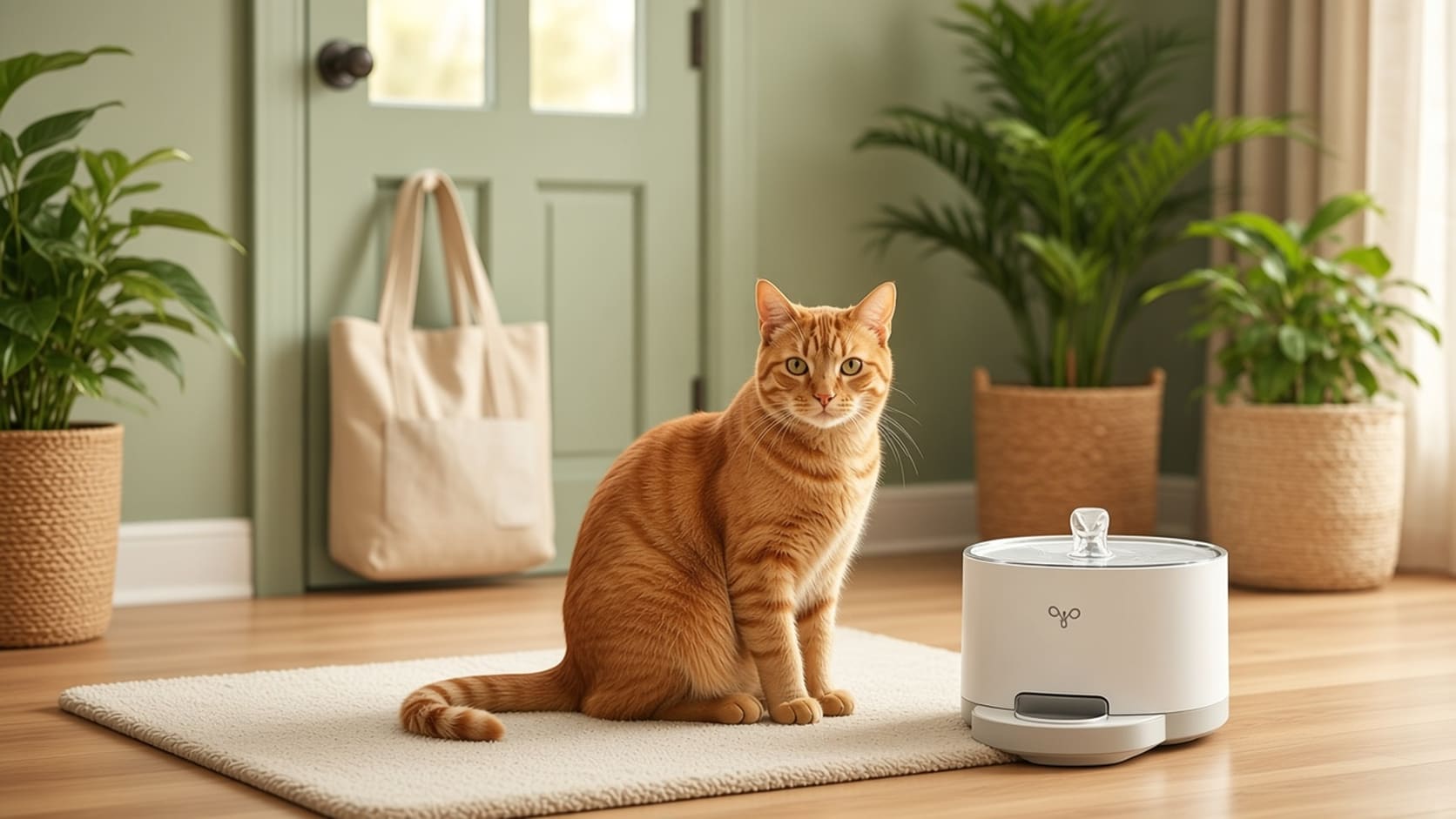
Quick answer: A healthy adult cat can usually manage one night at home with food, water and a clean litter box, but a full weekend is longer than that. The San Francisco SPCA says not to leave a cat alone for more than 12 hours without someone to check on them. For a Friday-to-Sunday trip, arrange a daily visitor and use a feeder, fountain and backup litter box as support, not as a substitute for a person.
This is the short-trip companion to our summer guide on leaving your cat alone on vacation. That page covers weeks away and hot weather. This one is for the weekend getaway, the Thanksgiving drive, or the two nights you would rather not board the cat.
We may earn a commission if you buy through links on this page, at no extra cost to you. We have not tested these products hands-on. Setup advice is based on veterinary and shelter guidance linked in the sources, plus manufacturer specifications.
Key takeaways
- A weekend is not “just one night.” Plan a daily in-person check, not a Friday setup and a Sunday return with no visit in between.
- The San Francisco SPCA’s line is 12 hours without someone to check on the cat, so they can catch an emergency, confirm eating, and offer company.
- Automation helps routine, not emergencies. A feeder, fountain and camera cannot scoop litter or get a sick cat to the vet.
- Kittens, seniors and cats on medication need a visitor every day, even for a single night.
- Most cats do better at home than in a kennel, as long as a person actually comes to the house.
How Long Can You Leave a Cat Alone for a Weekend?
People often treat “the weekend” as if it were the same as going to work on Friday and coming home after dinner. It is not. A typical weekend trip runs from Friday evening to Sunday evening — about 48 hours — or into Monday after a holiday. That is several missed check-ins, not one.
The San Francisco SPCA is direct: do not leave your cat alone for more than 12 hours without someone to check on them. The reason is not just loneliness. It is medical emergencies, confirming that the cat is eating, and giving the cat attention and mental stimulation. If you will be gone more than 10 days, the same page recommends overnight stays a few times a week. A weekend is shorter than that, but it is still longer than 12 hours.
The ASPCA’s travel guidance starts from the same idea: cats are usually most comfortable in their familiar home, and you should plan care before you leave, not after you are on the road. Ohio State’s Indoor Pet Initiative emphasizes that cats need a stable environment and daily care, not just a full food bowl.
So the honest weekend rule is:
| Trip length | What a healthy adult cat needs |
|---|---|
| One workday or a single overnight | Food, water, a clean box; still ideal to have a neighbor who can come if you are delayed |
| A weekend (about 48 hours or more) | A person who visits at least once every day, plus backup food, water and litter |
| A long weekend or holiday (3+ nights) | Daily visits, written vet authorization, and a backup key holder |
| Kitten, senior, or a cat with medical needs | Daily in-person care, even for one night |
If you cannot arrange that visit, the kind choice is a sitter, a housesitter, or a reputable boarding facility — not a larger feeder.
Why a Feeder and Fountain Are Not a Weekend Plan by Themselves
Gadgets solve the predictable jobs: meals at the usual time, moving water, a second litter box. They do not solve the things that actually go wrong when nobody is in the house:
- The cat stops eating, which can be dangerous in cats, especially if it lasts more than a day.
- A fountain tips, runs dry, or loses power.
- A feeder jams or the kibble bridges over the chute.
- The litter box fills, and a fastidious cat starts eliminating somewhere else.
- The cat is injured, vomit is on the floor, or a door or window is not as secure as you thought.
A person walking in once a day can see all of that in a minute. A camera can show you some of it, but it cannot refill a dry fountain or take the cat to an emergency clinic. Use automation as a layer on top of a visitor, the same way we recommend in the vacation guide.
The Weekend Setup: Food, Water, Litter and a Human
Food: keep the usual schedule
Keep the same food and the same meal times. A sudden diet change is a poor going-away gift. A programmable feeder helps if your sitter cannot arrive at the exact breakfast hour, or if you have more than one meal a day to cover.
The PetSafe Healthy Pet Simply Feed can schedule up to 12 meals a day in portions from 1/8 cup up, and it has a slow-release option for cats that gulp. It is a dry-food feeder, so it does not replace wet-food meals unless your sitter plates those by hand. If your cat only eats wet food, do not switch to dry for the weekend; have the sitter feed the usual cans and skip the feeder. If you are choosing between an app-connected hopper and this button-programmed model, see PETLIBRO vs PetSafe automatic feeders.
Leave extra food in a clearly labeled spot, including a little more than you think the trip requires, in case you are delayed coming home.
Water: more than one source
Put out at least two water stations, in different rooms if you can, and keep them out of direct sun and away from the litter box. If one fountain fails, a bowl should still be full.
A fountain many cats will actually use is easier than a stale bowl they ignore. The Catit LED Flower Fountain (3 L) has a 3-liter reservoir, a water-level window and three flow settings. Ask the sitter to check the water level, confirm the pump is running, and refresh the backup bowls at every visit. Our guides to where to put a cat water fountain and getting a cat to drink more water cover placement and picky drinkers.
Litter: a clean box, plus a spare
Scoop before you leave, and leave a second box set up if your sitter can only visit once a day. The San Francisco SPCA specifically recommends adding extra litter boxes in that situation, so the cat is not pushed into avoiding a dirty box. Cornell’s guidance on house soiling is the reason that matters: many litter problems start when the box is not acceptable.
A high-sided box in a quiet, easy-to-reach room is enough as the spare. The Nature’s Miracle Advanced High-Sided Corner Litter Box is a simple backup, not a second automatic unit you have to teach the cat to use over a weekend.
If you already have an automatic box, empty the drawer before you go and show the sitter how to confirm it still has power and room in the waste bin. Do not buy a new automatic box the day before a trip; a weekend is a bad moment to introduce a new toilet.
Eyes on the house: a camera plus a person
A camera is for your peace of mind and for a quick look if the sitter is running late. It is not a sitter.
The Furbo 360° Cat Camera (Core Features, no ongoing cost for the core functions listed on the Amazon product page) offers a 360-degree rotating live view, meowing alerts, treat toss, two-way audio and night vision. Use it to confirm the cat is moving and to say hello. Ask the sitter, not the camera, to handle litter, water and any emergency. For a side-by-side of rotating treat-toss vs a small fixed cam, see Furbo vs Petcube.
Get the indoor cat checklist
A free setup checklist for busy weeks and short trips, plus occasional notes when useful cat gear actually drops in price.
By subscribing you agree to receive emails from Paw & Sage. Double opt-in, unsubscribe anytime. See our privacy policy.
What to Leave for the Sitter
A good weekend visit is short if you prepare it well. Leave a one-page note, not a novel, and walk the sitter through the house once if you can.
- Daily tasks: scoop or check each litter box, confirm food was eaten, refill or check water, spend a few minutes of play or company, and look the cat over.
- Where things are: food, litter, backups, medications, carrier, and the breaker or outlet for the feeder and fountain.
- Vet information: regular clinic, nearest emergency clinic, and your phone number. The San Francisco SPCA also recommends a written letter authorizing emergency veterinary care, a backup key holder, and letting your veterinarian know you will be away.
- The cat’s normal: when they usually eat, where they hide when startled, and what “not themselves” looks like for this cat.
- ID: a collar tag if your cat wears one, and current photos in case they get out.
If you need a more formal summer-style list, our cat sitter checklist is a useful template; strip the heatwave items if you are traveling in cold weather and add a warm bed instead. For winter trips, make sure the cat has a warm, draft-free sleeping spot; our guide to keeping cats warm without heat covers outages and chilly houses.
Special Cases: Kittens, Seniors, Single Cats and Multi-Cat Homes
Kittens should not spend a weekend without a person. They get into trouble, they need frequent meals, and they can decline quickly if they stop eating.
Seniors and cats with medical conditions — diabetes, kidney disease, hyperthyroidism, a recent surgery — need the same daily eyes, and often medication at a set time. If the sitter is not comfortable giving medication, board at your vet or postpone the trip.
Single cats can be more sensitive to a quiet house. A daily visitor who plays for 10 minutes is more useful than a second toy left on the floor. See do single cats get lonely and how to keep a cat busy while you’re at work for the same enrichment ideas, applied to a weekend.
Multi-cat homes need enough food stations, water stations and litter boxes that a shy cat is not blocked from resources when you are gone. A feeder does not fix a bully who guards the bowl.
Should You Board Instead?
Most cats prefer their own home if a reliable person can visit. Boarding is still the right call when:
- You cannot find anyone to visit every day.
- The cat needs medical monitoring you cannot hand off to a friend.
- The home will not be safe (contractors, an unreliable roommate, a planned power shutoff).
If you board, ask about vaccination requirements ahead of time, and send familiar bedding and the usual food. If the cat will stay at someone else’s house, keep them in a safe room at first so they cannot bolt through an unfamiliar door, which the San Francisco SPCA also flags.
A Simple Friday Checklist
- Scoop every litter box and set up a spare if visits will be once a day.
- Fill the feeder or pre-portion the sitter’s meals; leave extra food.
- Fill the fountain and at least one backup bowl; show the sitter how to check the pump.
- Test the camera, and leave the sitter written vet authorization and emergency numbers.
- Leave a warm, familiar bed in an interior room, and secure windows, balconies and the door the sitter will use.
- Play with your cat before you go. A tired cat is a calmer first night.
Set up that way, a weekend away can be uneventful — which is the goal. The feeder, fountain and camera make the routine hold. The daily visit is what makes the trip safe.
Get our free indoor cat enrichment checklist
Plus seasonal picks and deals worth knowing about. No spam, unsubscribe anytime.
By subscribing you agree to receive emails from Paw & Sage. Double opt-in, unsubscribe anytime. See our privacy policy.
Sources
This article cites 4 sources in the text. They are linked below.
- Traveling (Cats) (San Francisco SPCA)
- Travel Safety Tips (ASPCA)
- Feline Environmental Needs (Ohio State University Indoor Pet Initiative)
- General Cat Care (ASPCA)
Common questions
Can I leave my cat alone for a weekend?
Not without a plan for a daily in-person check. The San Francisco SPCA says not to leave a cat alone for more than 12 hours without someone to check on them, so they can catch a medical problem, confirm the cat is eating, and provide company. A Friday-to-Sunday trip is longer than that, even if you add a feeder and fountain.
Can I leave my cat alone for two days with an automatic feeder?
A feeder and a fountain help with meals and water, but they do not notice a sudden illness, a tipped bowl, a jammed feeder or a litter box that needs scooping. Use the feeder as a backup for routine, and still have a person visit at least once a day.
Is it okay to leave a kitten or senior cat alone overnight?
Kittens, seniors and cats on medication or with a medical condition need daily eyes on them, even for a single night. If you cannot arrange a visitor, board the cat or postpone the trip.
How many times should a cat sitter visit over a weekend?
Plan on at least one visit every day you are gone. The San Francisco SPCA also suggests adding an extra litter box if the sitter can only stop once a day, so the cat is not forced to use a dirty box.
Is a pet camera enough instead of a sitter?
No. A camera lets you see whether your cat is moving and eating, and a treat-toss model can offer a short check-in, but it cannot scoop a litter box, refill a dry fountain or take a sick cat to the vet. Use it with a sitter, not instead of one.
Is it better to leave a cat at home or board them for a weekend?
Most cats are calmer in their own territory than in a new kennel. A trusted sitter in your home is usually the gentler option for a short trip. Boarding can still make sense for cats with medical needs or when you cannot find reliable in-home care.