Cat Not Covering Poop? What It Can Mean and What to Change
Why is my cat not covering poop? Cornell lists refusing to bury waste as a sign of litter box aversion. Check cleanliness, litter, box size and comfort, then pain.
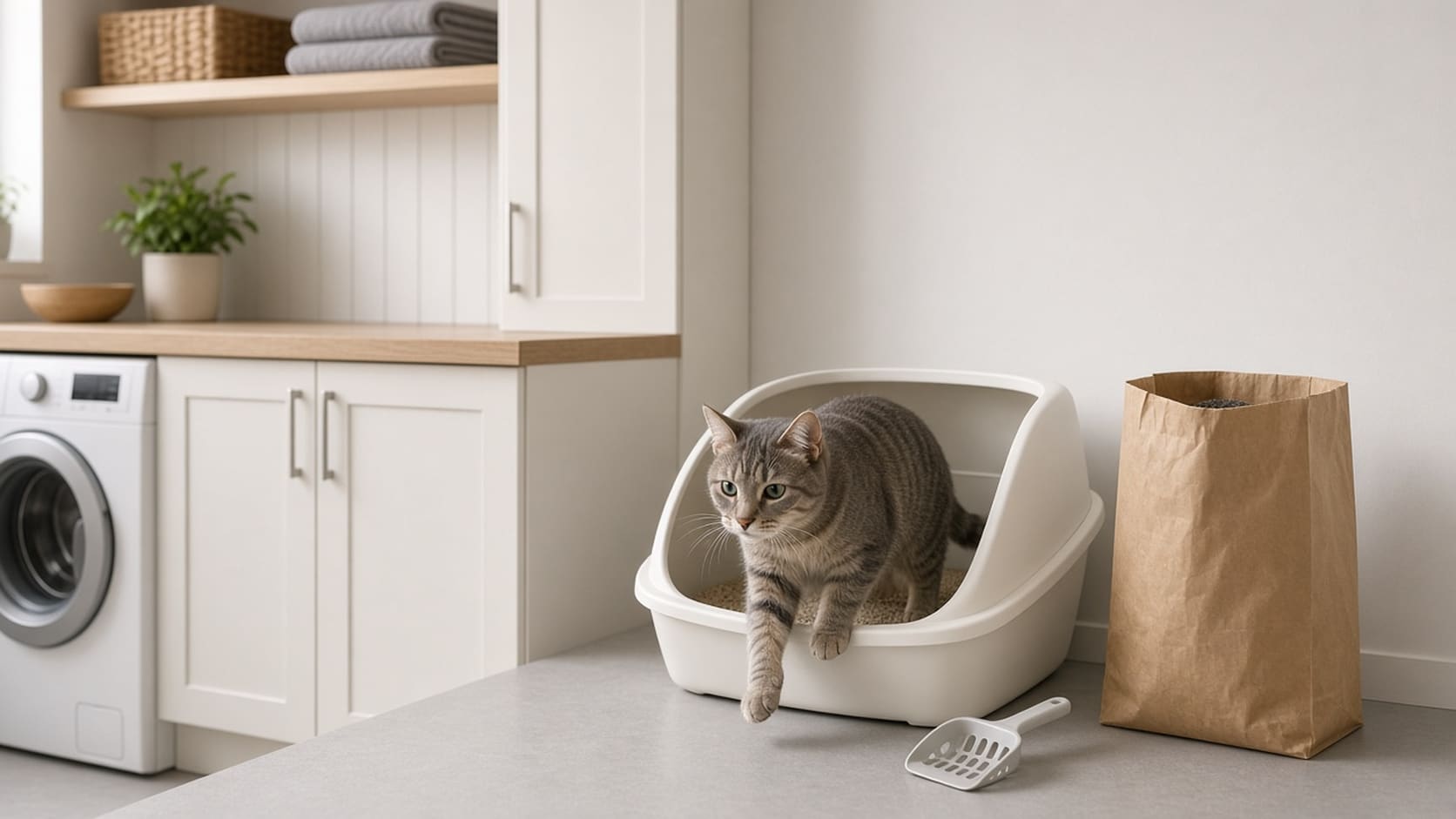
Quick answer: Some cats simply never cover. But if your cat used to cover and stopped, Cornell Feline Health Center lists refusing to bury waste alongside crying in the box, perching on the edge and going right next to the box as signs your cat may dislike something about the box. Check cleanliness, litter, size and comfort, and see your vet if anything else has changed.
What to check first
- Is the box clean enough? Some cats refuse a box containing any waste (Cornell). Scoop at least daily (ASPCA).
- Did you change litter recently? Cornell notes cats may dislike a litter, especially after a sudden brand switch. Most prefer unscented litter; many dislike scented or dusty litter (AAFP/ISFM-based guide).
- Is there enough litter to dig in? The ASPCA says cats usually prefer one to two inches; much less can make covering awkward.
- Is the box big enough? It should be 1.5 times your cat’s length (AAFP/ISFM-based guide), with room to turn around (VCA).
- Does your cat get out fast? If another pet waits outside the box, your cat may skip the covering step. Give the box more than one exit (Cornell).
Pain and age
Digging uses joints. Cornell’s cognitive dysfunction page notes arthritis can make it hard to use the box, and that cats 10 years and older with cognitive decline may have litter box lapses. If not covering comes with stiffness, less jumping, or accidents, book a vet visit.
Should I cover it for them?
Yes, scoop promptly. Don’t try to “teach” covering by moving your cat’s paws; it adds stress around the box.
Related
- How to transition a cat to a new litter
- Why cats kick litter everywhere
- Best cat litter (unscented clumping picks)
Paw & Sage is not a veterinary practice. This guide summarizes the cited veterinary sources and does not replace an exam by your veterinarian.
Get our free indoor cat enrichment checklist
Plus seasonal picks and deals worth knowing about. No spam, unsubscribe anytime.
By subscribing you agree to receive emails from Paw & Sage. Double opt-in, unsubscribe anytime. See our privacy policy.
Sources
This article cites 4 sources in the text. They are linked below.
- Feline Behavior Problems: House Soiling (Cornell Feline Health Center)
- Feline house soiling: a guide for cat owners (based on the AAFP and ISFM guidelines) (Journal of Feline Medicine and Surgery (via PubMed Central))
- Litter Box Problems (ASPCA)
- Cognitive Dysfunction (Cornell Feline Health Center)
Common questions
Why did my cat stop covering its poop?
Cornell Feline Health Center lists refusing to bury waste as a possible sign of litter box aversion. Check cleanliness, recent litter changes, depth and box size, and see your vet if your cat seems stiff or unwell.
Is it normal for a cat not to cover poop?
Some cats never cover. A change from covering to not covering is the bigger signal.
Can pain stop a cat covering poop?
It can make box use harder. Cornell notes arthritis can stop a cat getting into the box in time; a vet can assess pain.